Navigating Vegan Skincare in Australia: Beyond the Label
Bubble Clinic has published guidance on what “vegan skincare” means in Australia, drawing attention to native botanicals such as Kakadu plum and Quandong.
Iris Ellingham·updated September 07, 2026
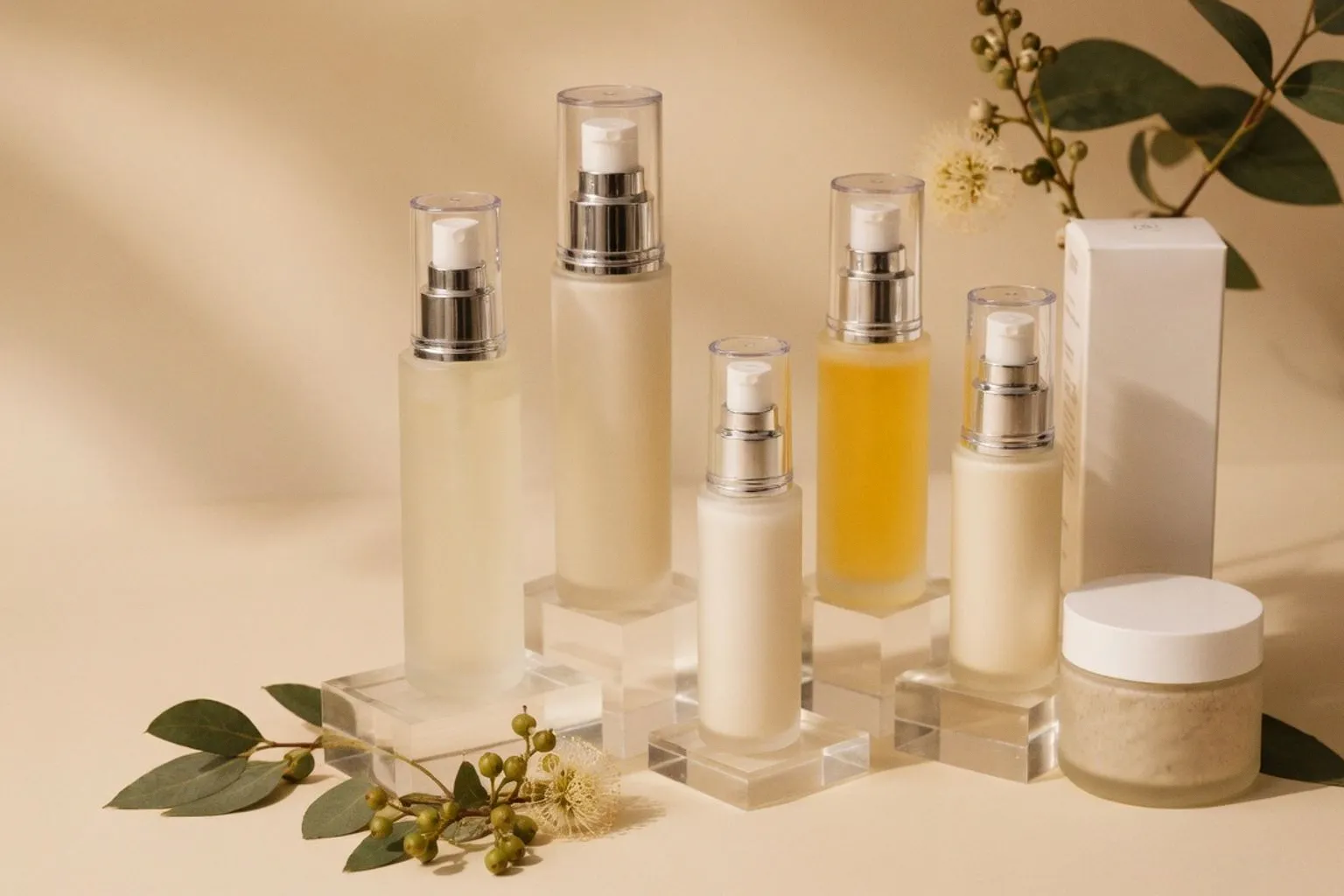
The central point is practical but often overlooked: vegan describes the origin of a formula’s ingredients, while cruelty-free refers to animal-testing policies. For anyone building an acne-conscious or barrier-friendly routine, the label is a starting point—not evidence that a product will be gentler, more effective, or suitable for every skin type.
Vegan is about formulation, not performance
A vegan skincare formula is generally made without intentionally animal-derived ingredients. Common examples excluded from vegan products include beeswax, honey, lanolin, collagen, milk derivatives and carmine. Yet an INCI list does not always settle the question.
Glycerin, squalane and some fatty-acid derivatives may come from plant, synthetic or animal sources, depending on the supplier. That makes the product page, packaging and supplier information more useful than assumptions based on a familiar ingredient name. Formulations and sourcing details can change, so the current product information remains the relevant reference.
Cruelty-free status answers a different question: whether animal testing is involved. A product can be cruelty-free without being vegan. Bubble Clinic states that its products are cruelty-free and identifies vegan status separately by formulation. Its broader Australian Native Botanicals collection is described as cruelty-free, while vegan status is checked product by product.
This distinction matters for shoppers who want a clear ethical standard without confusing it with a skin benefit. “Vegan” does not automatically mean non-irritating, active, lightweight or appropriate for blemish-prone skin. Performance still depends on the complete formula, the concentration and combination of active ingredients, supporting ingredients, skin tolerance and correct use.
Where Australian botanicals fit
Bubble Clinic’s selected Australian botanical formulas include Kakadu plum, Lilly Pilly and Quandong. These extracts sit within a wider formulation rather than functioning as a guarantee of results on their own. The brand’s guidance presents them alongside modern cosmetic ingredients and routine formats such as face mists, serums, moisturisers, eye care and recovery products.
For hydration-focused routines, the guidance points to humectants such as glycerin or hyaluronic acid, provided their origin is verified for the particular product. For antioxidant-oriented care, it identifies vitamin C and botanical extracts as possible cosmetic ingredients. Retinoid products belong to a different category of active treatment and should be introduced gradually and used according to directions.
That sequence is more useful than choosing an entire routine simply because every product carries a vegan claim. A mist may add hydration, a serum may target a specific concern, and a moisturiser may support the feel and comfort of the routine; the appropriate combination depends on the skin’s needs and tolerance. The label can help with ingredient sourcing, but it does not replace formulation literacy.
The wider conversation in Australian beauty is also moving toward traceability and barrier support. A September issue of Cosmetics & Toiletries highlights clinical advances in dermocosmetics and slow-beauty approaches centred on botanical support and hormonal skin balance. Harper’s BAZAAR Australia reports that cosmetic chemist Terri Vinson Jones has emphasised prebiotics and postbiotics alongside clean science to help preserve the skin barrier and balance the microbiome. These are related formulation priorities, but they should not be treated as proof that a vegan product contains, or requires, those ingredients.
What to check before buying
Start with the skin concern, then verify the claim. If the goal is hydration, check for a suitable humectant and confirm its stated origin where vegan sourcing matters. If the goal is antioxidant care, look at the full formula rather than relying on the presence of a botanical name. If the routine includes a retinoid or another targeted active, follow the product directions and introduce it gradually.
Then check three details:
- Is the product explicitly identified as vegan, rather than described only as botanical, natural or clean?
- Does the current product page or packaging explain the claim and list the relevant ingredients?
- Is cruelty-free being presented separately from vegan status?
For Australian botanical skincare, names such as Kakadu plum and Quandong may signal a regional formulation perspective, but responsible sourcing information remains more important than a compelling ingredient story. The most reliable choice is a product whose vegan status is clearly identified, whose current formula can be checked, and whose active profile matches the skin concern you are actually trying to address.