How News Australia’s New Wellness Initiatives Are Reshaping the Beauty Landscape
According to Mi-3.com.au, News Australia has expanded its Health, Wellness and Beauty commercial portfolio with three new initiatives — Better Men, The Happiness Project, and Health of the Nation 2027 — announced at the company's Beyond '27 marketing event.
Iris Ellingham·updated September 06, 2026
When the Media Giants Bet Big on Wellness, Botanical Beauty Readers Should Pay Attention
For anyone building a routine around Australian botanical actives, the move signals something worth noting: the media infrastructure shaping how millions of Australians encounter wellness advice is widening, not narrowing.
The Problem Behind the Expansion
The driving force, as News Australia framed it, is a trust gap. The company cited research from The Growth Distillery Lighthouse Consumer Sentiment Tracker indicating that nearly 60 per cent of Australians feel overwhelmed by conflicting wellness information online. That figure resonates if you have ever tried to decide between a niacinamide serum and a tea-tree-based acne treatment while scrolling through contradictory influencer posts. The sheer volume of content — much of it poorly sourced — makes it genuinely difficult to distinguish evidence-backed botanical knowledge from marketing noise.
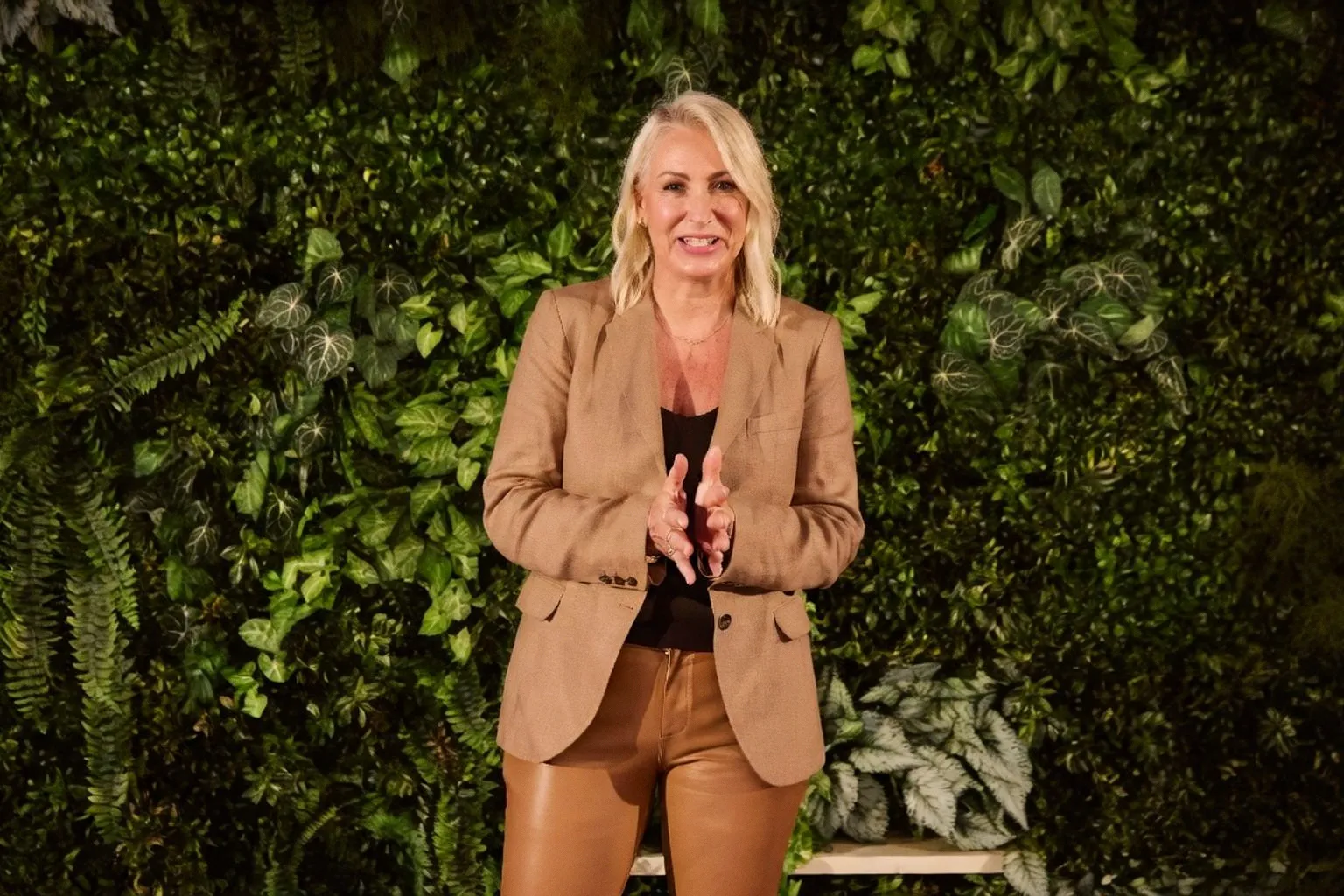
Brittany Daniel, Industry Director for Health, Wellness and Beauty at News Australia, stated that consumers are no longer chasing radical transformations but want practical, realistic ways to manage their health every day, and that people are turning to trusted editorial voices amid social-media confusion.
What the Three Initiatives Cover
Better Men focuses on fatherhood, mental health and modern family life — editorial features and practical tools for new fathers, positioned as a wellness rather than lifestyle play. The Happiness Project treats happiness itself as a health goal, spanning mind, movement, food, travel and relationships through editorial content and expert advice. Health of the Nation 2027 reimagines the company's annual health survey as a video-first platform grounded in consumer research and sustainable wellbeing.
The combined portfolio — which includes Body+Soul, news.com.au, Escape.com.au, Kidspot and Taste.com.au — reportedly reaches 13.9 million Australians each month. That is a significant editorial footprint for any brand working with bioactive botanical compounds, from Kakadu plum extracts rich in ascorbic acid to anti-inflammatory banksia seed oil, hoping to reach consumers through credible channels rather than paid-only placements.
Lou Barrett, Chief Revenue Officer at News Australia, noted that decisions in health, wellness and beauty are deeply personal, and that real growth comes from building authority in trusted editorial environments where consumers seek guidance.
Why This Matters for A-Beauty Enthusiasts
The broader context is financial momentum. Parent company News Corp reported fiscal Q4 2026 revenue of USD 2.34 billion, a 5.4 per cent year-over-year increase, with a profit margin of 7.66 per cent. Its stock closed at USD 30.94 on Nasdaq as of early September 2026, up nearly 18.5 per cent year to date. Analyst sentiment trends toward a Buy rating with an average price target of USD 36.16. The wellness push in Australia complements these global media operations, though concrete revenue contributions from the new initiatives remain unquantified.
For the botanical skincare community, the practical takeaway is twofold. First, expect more editorial content about wellness, beauty and sustainable health to surface across major Australian platforms — content that may feature or scrutinise the very botanical ingredients you rely on. Second, the emphasis on trusted editorial voices over impulse-driven advertising could create more space for nuanced, science-informed discussions of plant-derived actives: phenolic acids in native Australian extracts, barrier-supportive formulations, and the real evidence behind clean beauty claims.
That is the environment worth watching — not the press release, but the editorial standards that follow.