Skin Cycling vs Barrier Repair: Which Approach Works Best?
You've been there: a fresh retinoid or a stronger exfoliant starts showing real results, then the sting creeps in. Cheeks flush after cleansing. The moisturizer that once felt soothing now sits on top of the skin without absorbing.
Leo Ashdown·Updated: August 31, 2026·7 min read
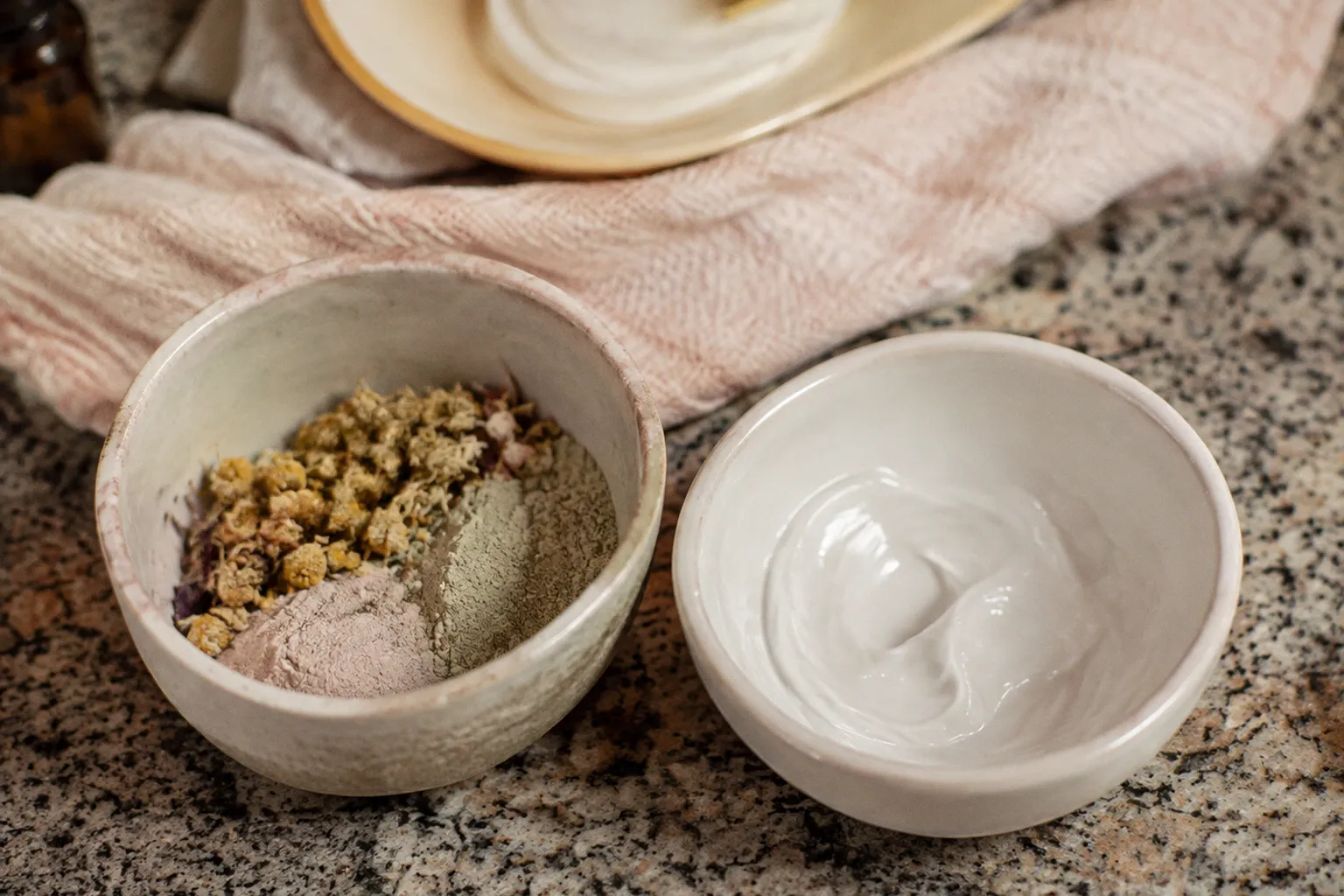
By week three, the glow has flattened into tightness, and you're staring at two bottles wondering which one to keep. That moment — when results tip into reactivity — is where the choice between skin cycling and a dedicated barrier repair routine actually matters. Pick wrong, and you'll either stall progress on a healthy barrier or grind down a damaged one with another round of actives.
The Mechanics of the 4-Night Skin Cycling Framework
Skin cycling, the structured 4-night rotation introduced by board-certified dermatologist Dr. Whitney Bowe, was built around a simple premise: your skin needs deliberate rest between actives to convert irritation into results. Rather than applying exfoliants and retinoids every night — the most common path to barrier burnout — the cycle staggers them so the skin barrier has dedicated windows to recover, rehydrate, and rebuild lipid reserves.
The classic schedule runs like this:
1. Night 1 — Exfoliation. A chemical exfoliant goes on: an AHA such as glycolic or lactic acid, or a BHA such as salicylic acid. Chemical exfoliants are preferred over physical scrubs because they dissolve the bonds between dead cells without abrading the stratum corneum. The goal is to clear the surface so subsequent ingredients penetrate more evenly.
2. Night 2 — Retinoid. A retinoid (retinol, retinal, or tretinoin, depending on tolerance) is layered over a buffered base to encourage cell turnover and collagen signaling.
3. Nights 3 and 4 — Recovery. No actives. The focus shifts to hydration and barrier support: hyaluronic acid for water-binding, ceramides and glycerin for lipid replenishment, niacinamide for soothing, peptides for structural reinforcement, and a facial oil or richer occlusive to seal everything in.
The structure is intentionally minimal. The framework isn't designed to expand into a ten-step ritual; it's designed to compress your routine so the actives have room to work without overwhelming the barrier.
Skin cycling isn't a license to use more actives — it's a permission slip to use them less often.
Identifying Signs Your Skin Barrier Needs a Total Reset
Before choosing between the two approaches, you need to read the skin honestly. Cycling works on a functional barrier; a barrier repair protocol is for one that's actively compromised. The symptoms are distinct.
A stressed barrier typically presents as:
- Persistent tightness after cleansing, even with a gentle cleanser
- Stinging or burning when applying products that previously felt neutral — a sign of impaired barrier function and elevated transepidermal water loss
- Flushing that lingers for more than thirty minutes after a hot shower, exercise, or product application
- Sudden reactivity to ingredients you've used for months, including your retinoid
- A rough, papery texture that no longer responds to moisturizer the way it used to
When two or more of these signs show up simultaneously, the cycling framework needs to pause. Continuing to layer exfoliants or retinoids onto a damaged barrier doesn't accelerate results — it deepens the inflammation and extends the recovery timeline. Healing time varies depending on the severity of the damage, but the protocol is the same either way: stop the actives.
A true barrier repair routine halts chemical exfoliants and retinoids entirely. No acids, no retinoids, no aggressive vitamin C serums. The regimen narrows to a non-stripping cleanser, a hydrating serum (typically hyaluronic acid or a peptide blend), a ceramide-rich moisturizer, and an occlusive layer — often a facial oil or balm — to slow water loss overnight. The objective is to restore the lipid matrix and let the skin return to baseline before any active rotation resumes.
Strategic Differences: Active Ingredient Rotation vs. Lipid Replenishment
The two protocols look superficially similar — both involve restraint, both reward consistency — but they target different mechanisms and serve different skin states.
| Parameter | Skin Cycling | Barrier Repair |
|---|---|---|
| Primary goal | Maximize active results while preventing overuse damage | Rebuild lipid matrix and restore barrier integrity |
| Active ingredients in use | AHAs, BHAs, retinoids on scheduled nights only | None — actives paused entirely |
| Typical duration | Ongoing, with periodic adjustments | Short-term (several weeks), then reassess |
| Hydration emphasis | Layered on recovery nights only | Continuous, every layer, every day |
| Best suited to | Healthy, resilient skin tolerating actives | Compromised, reactive, or sensitized skin |
| Reintroduction step | Built into the cycle | Requires a slow, staggered return to actives |
The table clarifies why the question isn't really "which is better" but "which is right for the skin in front of you right now." Skin cycling assumes the barrier can absorb the cost of two active nights per cycle and still recover on the third and fourth. Barrier repair assumes the barrier cannot afford even that cost and needs every resource directed toward repair.
Cycling is a performance protocol. Barrier repair is a recovery protocol. Confusing the two is how otherwise healthy routines break down.
Adapting the Cycle: Customizing Intervals for Sensitive Skin
The 4-night cycle is a template, not a prescription. For reactive or sensitive skin types, dermatologists commonly extend the rotation to five nights: one exfoliation, one retinoid, three recovery. The extra recovery night gives the barrier more breathing room and reduces the cumulative inflammatory load of the rotation.
A few practical adjustments make the extended cycle more effective:
1. Buffer the retinoid. Apply a thin layer of moisturizer before the retinoid rather than directly onto clean skin. Buffering slows absorption and softens the retinoid's intensity without eliminating its function.
2. Lower the acid concentration. If 10% glycolic acid stings on Night 1, drop to 5% or switch to lactic acid, which has a larger molecular weight and penetrates more gradually.
3. Short-contact exfoliation. Leave the acid on for five to ten minutes, then rinse. You get the resurfacing effect without leaving the acid in contact with sensitized skin overnight.
4. Move recovery ingredients to AM too. On non-active mornings, the same ceramide and hyaluronic acid stack used at night can reinforce barrier function during the day.
For pregnancy or breastfeeding, retinoids drop out of the cycle entirely. The rotation reduces to gentle enzyme exfoliation on Night 1 and recovery-focused layering on every other night. Plant-derived alternatives like bakuchiol and oat-based soothing complexes can keep the rotation feeling intentional without crossing into retinoid territory — a clean-beauty pivot that aligns well with an organic regimen.
Navigating the Transition from Active Treatment to Maintenance
The hardest part of either protocol is knowing when to switch between them. Most routines break down not because the framework is wrong but because the timing is off. The skin doesn't stay in one state forever: hormonal shifts, climate changes, stress, and over-cleansing can each push a cycling routine into repair territory without warning.
The transition points to watch for:
- From cycling to repair: Two consecutive days of post-cleansing tightness, a new stinging response to your retinoid, or visible flushing that takes more than an hour to settle. Any one of these is a signal to pause the active nights and shift to lipid-replenishing layering.
- From repair back to cycling: Three to four weeks of consistent calm — no reactivity, no tightness, normal product tolerance — signals the barrier is functional again. Reintroduce actives one at a time, starting with the gentler exfoliant on Night 1 of a new cycle.
- From active cycling to maintenance: Once the skin has held stable through several 4-night cycles and goals like texture or pigmentation have plateaued, step down to a maintenance rotation: exfoliation once per week, retinoid twice per week, recovery the remaining nights.
Building the transition into the protocol — rather than treating it as a failure — is what separates sustainable routines from the boom-bust cycles that drive most barrier damage.
Troubleshooting Checklist
Before committing to either path, run through this:
- Is the skin currently reactive? If yes, barrier repair first. Cycling will deepen the damage.
- Has the skin tolerated actives for at least four weeks without protest? If yes, cycling is viable from a baseline of stability.
- Is the climate dry, cold, or windy? Lean toward longer recovery windows — five nights instead of four, or pure repair for the season.
- Are you pregnant, breastfeeding, or working with a prescription retinoid? Modify the cycle accordingly or hold at barrier repair with actives paused.
- Has the routine expanded beyond a few focused steps on any night? Simplify. Both protocols work best when compressed, not layered.
- Can you commit to the same routine for at least three weeks before judging results? Consistency is the variable that determines the outcome more than the framework itself.
Pick the protocol that matches the skin you have today, not the skin you're trying to build. Run it cleanly for a month, reassess, and adjust. That's how routines hold.