Puig Takes Full Control of ISDIN in €1.2 Billion Dermatological Expansion
According to Talk Beauty To Me, beauty conglomerate Puig has agreed to buy out Esteve's remaining 50 percent stake in clinical skincare brand ISDIN for €1.2 billion.
Iris Ellingham·updated September 23, 2026
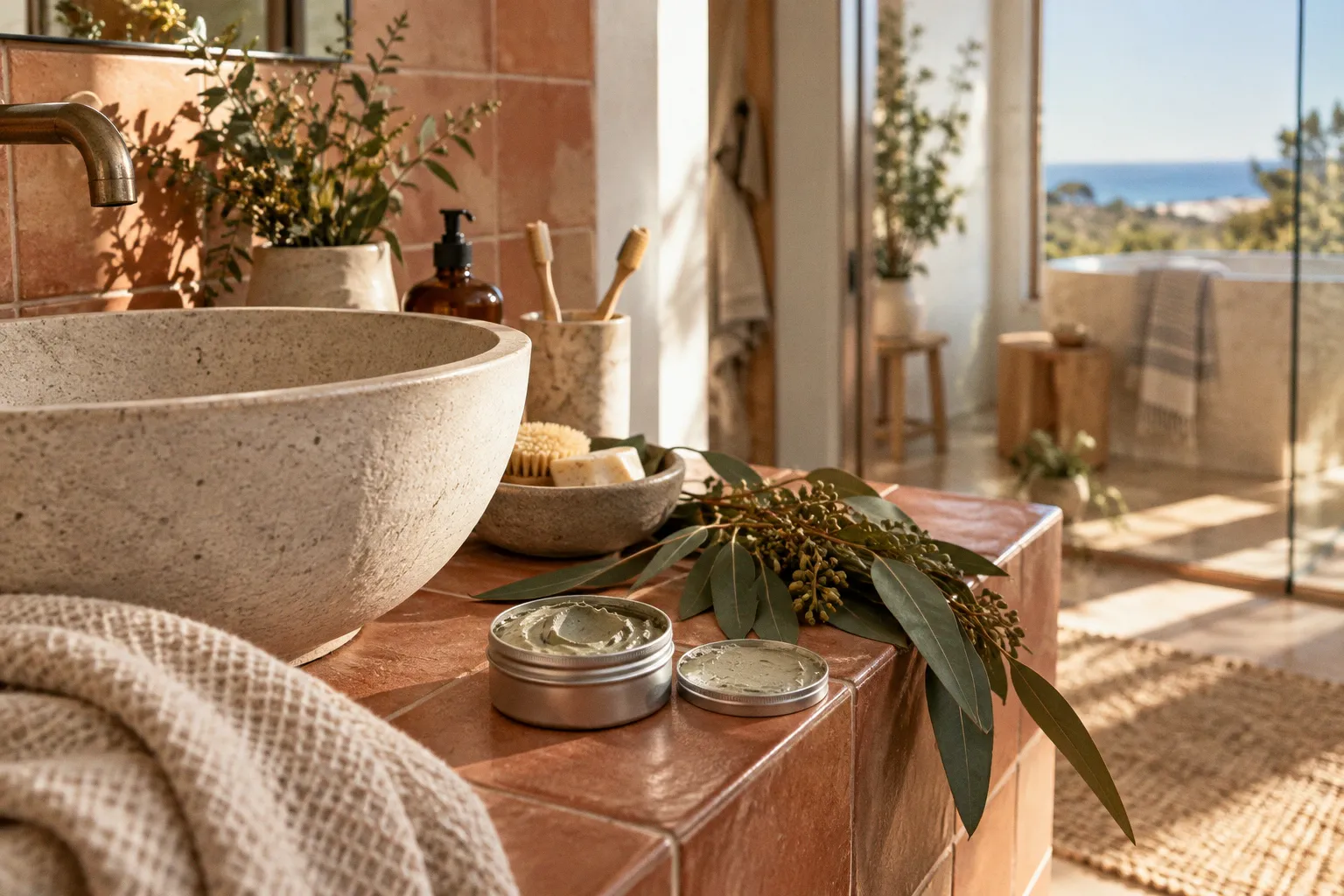
The transaction grants Puig full ownership of ISDIN, a move the outlet says significantly boosts the group's presence in the dermatological and clinical skincare market. For a botanical skincare audience, the headline matters less for any immediate formulation change than for what it signals about where clinical credibility and plant-driven care are beginning to converge.
A €1.2 Billion Vote of Confidence in Dermatology
A deal of this scale is worth tracking for anyone who reads ingredient lists for phenolic acids, flavonoids, and lipid-soluble extracts. As larger conglomerates absorb independent clinical labels, formulation priorities tend to converge toward ingredients with established safety profiles, clear mechanistic pathways, and low irritation potential — precisely the territory occupied by well-sourced botanical extracts. The acquisition signals that clinical credibility is no longer a separate conversation from bioactive, well-tolerated skincare; the two are being folded into the same strategic agenda.
For consumers managing acne or a compromised barrier, that convergence is not abstract. It determines whether the next generation of dermocosmetic products continues to make room for the gentler lipid-compatible carriers and flavonoid-rich antioxidants that botanical routines have long relied on — or whether those actives get quietly displaced by cheaper synthetics once the deal closes.
Opportunity and Vigilance for A-Beauty Readers
For brands and readers rooted in A-beauty and organic formulation, this moment offers both opportunity and a reason for attention. Mainstream clinical players are increasingly open to incorporating the phenolic antioxidants, macerated plant oils, and barrier-supportive ceramides that have defined plant-first routines — yet consolidation can just as easily push formulations toward cost-efficient synthetics once botanical framing is no longer required for marketing appeal.
Three things are worth tracking. First, expanded availability: a fully owned clinical brand is more likely to invest in Australian pharmacy and dermatology-clinic distribution, putting dermatologist-tested formulations within easier reach. Second, ingredient direction: watch whether reformulations lean further into bioactive, barrier-friendly territory or retreat toward purely synthetic actives as scale pressures build under conglomerate ownership. Third, the price-and-access question: consolidation of this size often reshapes retail strategy, and the products that sit beside your botanical serums may shift before the year is out.
A Practical Move for Your Routine
For now, the sensible step is simple — note any ISDIN products already in your routine, and watch how availability and ingredient direction evolve over the coming quarters. A €1.2 billion commitment to dermatological skincare is, for the botanical reader, also a quiet signal about which actives the industry considers safe, scalable, and worth investing in next.