How Mecca Shapes the Future of Australian Botanical Skincare
The Robin Report has turned its editorial lens on Mecca, profiling the Australian beauty retailer as a retail trailblazer in a piece published this week.
Iris Ellingham·updated September 21, 2026
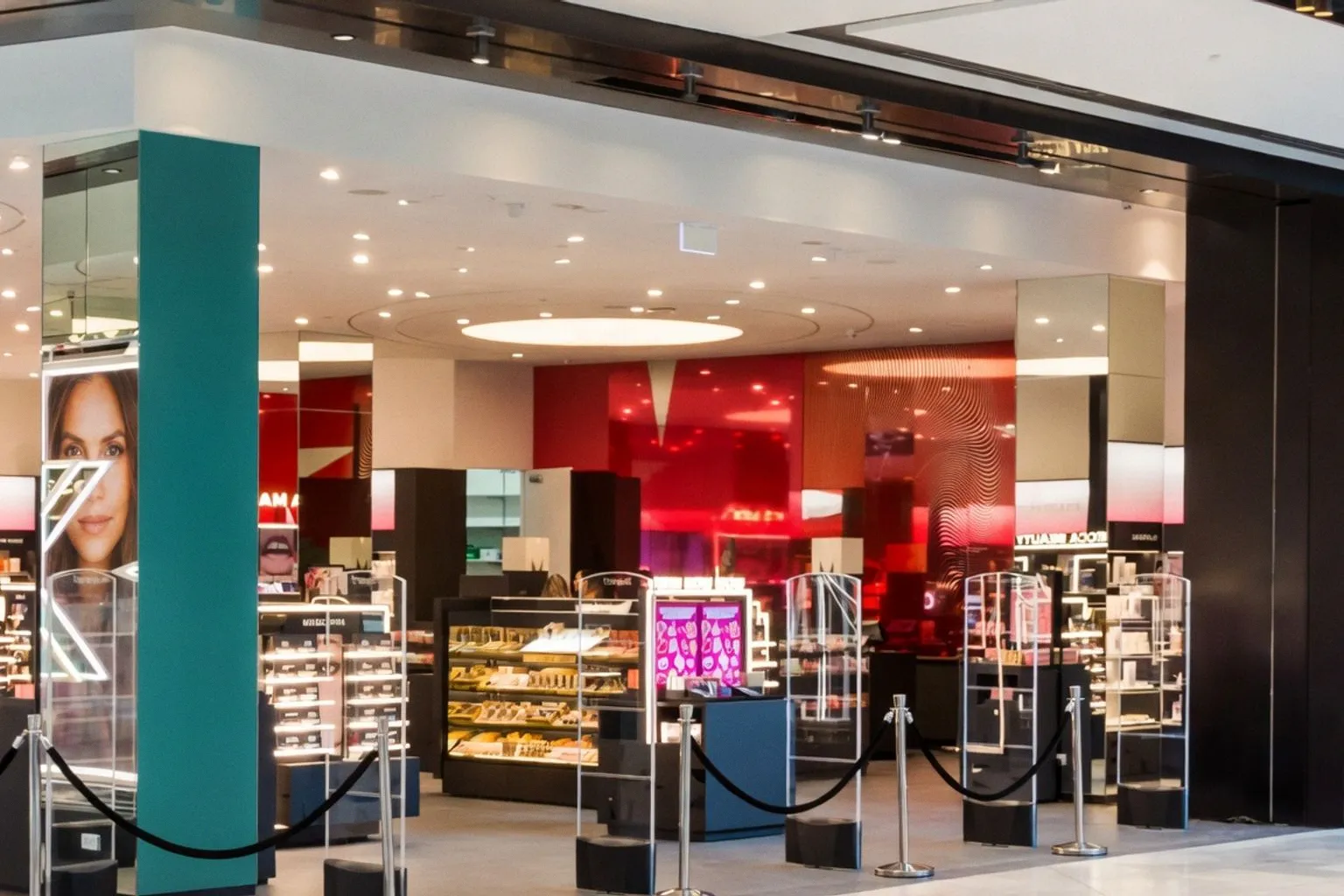
For readers invested in A-Beauty and the botanical end of the Australian market, the timing is worth noting: Mecca's buying decisions effectively shape which plant-led formulations land on bathroom shelves across the country and, increasingly, beyond it.
Why a retailer belongs in a botanical skincare conversation
Mecca operates at the intersection of curation and commerce, and that role matters more than any single ingredient list. A retailer that champions genuinely bioactive botanicals — proper concentrations of bakuchiol, kakadu plum extract, Centella asiatica, well-made niacinamide — signals to formulators that the Australian consumer is ready to pay for evidence-led plant science, not just pleasant scents. Conversely, a retailer that leans on fragrance-forward "natural" positioning can flatten the category, blurring the line between a true macerate of calendula and a lab-made mimic of the same. When an outlet the size of Mecca is framed as a trailblazer, the implicit question for plant-powered skincare devotees is what kind of trail is actually being blazed: formulation integrity, or marketing polish.
What to check on your next shelf-scan
Reading a retailer's botanical curation through the lens of your own barrier is a practical exercise worth doing before the next purchase. A few small habits separate genuinely plant-active products from green-tinted placeholders:
- Look past the front-of-pack claims and turn to the INCI list. Bioactive compounds should sit above the fragrance and preservative lines, not buried beneath them.
- Pay attention to extraction method. A macerate, a cold-pressed oil, and a hydrodistilled essential oil deliver very different concentrations of phenolic acids and terpenes; the label will tell you which one you are actually buying.
- Note the format. Anhydrous serums preserve oxidative-stress-sensitive compounds like bakuchiol and vitamin E far better than heavy water-phase emulsions, unless the formulation includes a robust antioxidant system.
- Cross-check the brand's presence beyond the shelf. A botanical line backed by published stability data or third-party testing is a stronger bet than one that leans entirely on glossy storytelling.
The watch-list going forward
If the trade press framing catches on, expect more industry attention to which local brands Mecca chooses to elevate and which it quietly shelves. For the A-Beauty audience, the most useful follow is not the press release but the shelf itself: track which Australian-grown extracts — kakadu plum, finger lime caviar, Tasmanian pepperberry — move from novelty placement to permanent fixture. That migration is the real measure of whether botanical retail is shifting from trend to infrastructure.