Oil Cleansing for Hormonal Acne: Is It Worth It?
Oil cleansing for hormonal acne rests on a simple chemical principle: lipophilic substances are drawn to other lipophilic substances.
Iris Ellingham·Updated: September 05, 2026·15 min read
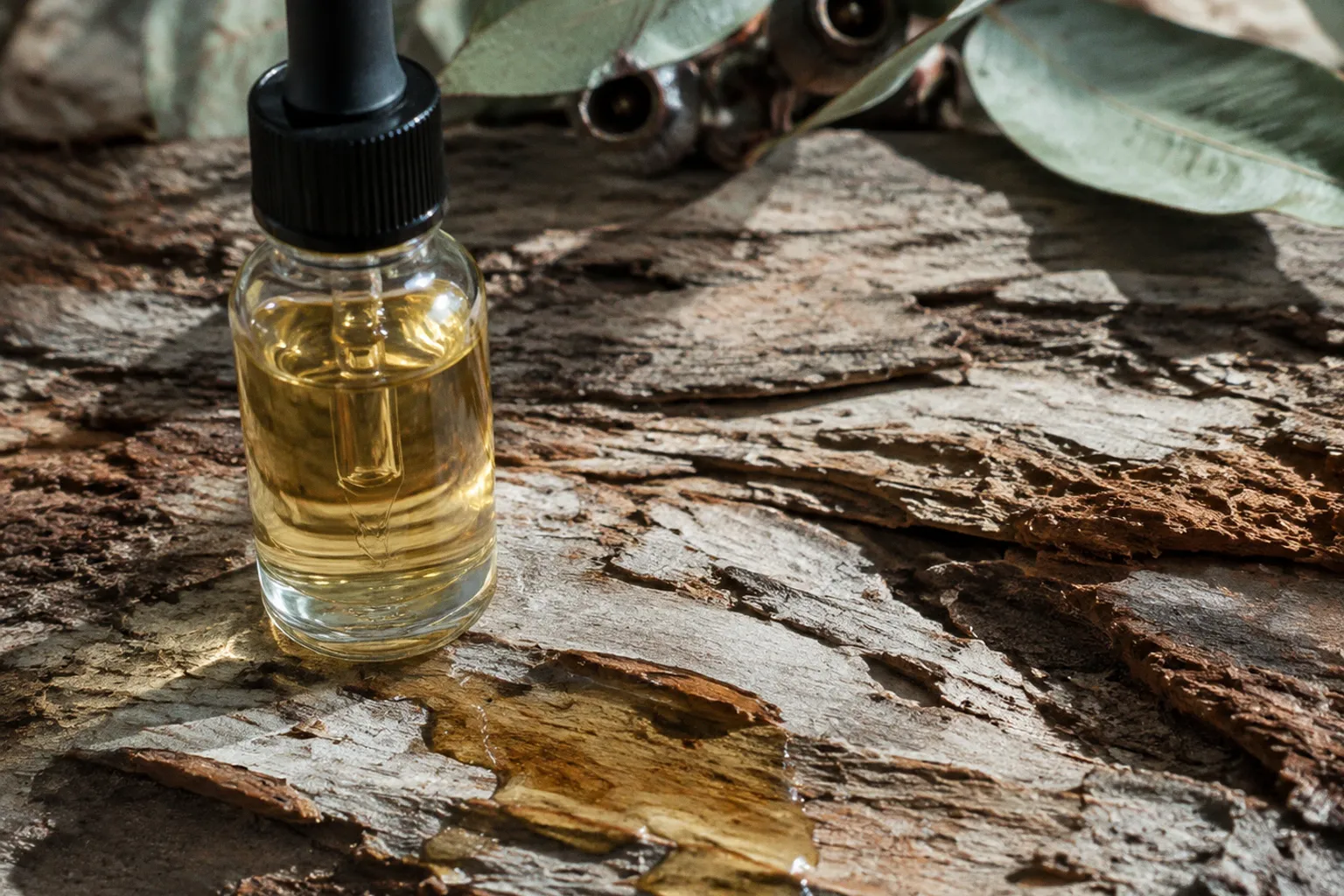
In practice, a well-formulated cleansing oil can bind to sebum, waterproof sunscreen, pigment, and other oil-soluble residue, allowing them to be lifted from the skin without aggressively stripping its surface lipids.
That principle is sound. The more difficult question is what happens after the oil has done its work. The answer depends on the oil’s fatty-acid profile, its comedogenicity, the quality of its emulsification, and whether the skin receives a second, water-based cleanse. For active cystic acne or persistent hormonal flare-ups, oil cleansing is not a treatment for the endocrine processes beneath the skin. It is, at most, a cleansing strategy that may support a calmer barrier when chosen and used with care.
The chemistry of “like dissolves like”
Sebum is a complex mixture of lipids produced by the sebaceous glands. Sunscreen filters, foundation, waterproof makeup, and many forms of environmental residue also have an oil-soluble component. Water alone has limited ability to disperse these substances. This is why rinsing with water may leave a faint film even when the face feels superficially clean.
A cleansing oil approaches the problem differently. Its lipophilic molecules interact with the oily residue on the skin, surrounding and loosening it so that it can be removed through massage and rinsing. This is the practical meaning of the familiar phrase “like dissolves like”. It does not mean that oil somehow draws every impurity from a pore, nor that a longer massage will dissolve a microcomedone. It describes a narrower and more useful event: one lipid phase helping to mobilise another.
The benefit is often most apparent when the skin barrier is already vulnerable. Strong foaming surfactants, very hot water, frequent scrubbing, and repeated degreasing can remove not only excess sebum but also some of the lipids that help regulate transepidermal water loss. Dehydrated, irritated skin may then feel tighter while continuing to produce visible oil, a combination that encourages increasingly forceful cleansing.
A botanical oil cleanser, particularly one designed to emulsify with water, can reduce that cycle. The formulation should spread easily, dissolve sunscreen and makeup without prolonged friction, and transform into a milky fluid when water is added. That transformation is not cosmetic theatre. It is the mechanism that helps carry the loosened oil, pigment, and debris away from the face.
Yet the chemistry has boundaries. Oil cleansing does not dissolve the keratinous plug within every acne lesion. It does not neutralise the inflammatory signalling associated with a deep nodule. It does not correct the androgen sensitivity and sebum changes that can contribute to hormonal acne along the jawline, chin, and lower cheeks. A cleanser remains on the skin briefly; its principal role is removal, not sustained treatment.
Oil cleansing can change the way residue leaves the skin. It cannot, by itself, change why hormonal acne forms.
This distinction matters because the sensory experience of oil cleansing can be persuasive. Skin may feel softer immediately after use, and congestion may appear temporarily improved because surface sebum and makeup have been removed. That is a useful effect, but it should not be confused with resolution of an active acne process.
Why the botanical oil matters more than the word “natural”
Acne-prone skin does not respond to the category “plant-based” as though all botanical oils shared one behaviour. Each oil has its own balance of fatty acids, wax esters, antioxidants, phenolic compounds, and minor unsaponifiable components. The extraction method also influences what reaches the bottle.
Cold-pressed oils retain a broad spectrum of naturally occurring constituents, although that does not automatically make them ideal for blemish-prone skin. Refined oils may contain fewer aromatic and coloured compounds, while still providing a stable lipid phase. Macerated oils carry constituents extracted from plant material into a carrier oil; their suitability depends on both the botanical material and the carrier chosen. Essential oils are a separate category entirely: concentrated volatile fractions that require careful dilution and are not interchangeable with a gentle carrier oil.
For hormonal blemishes, the fatty-acid profile deserves particular attention. Acne-prone skin is often described as having a relative deficiency of linoleic acid compared with oleic acid. This does not turn linoleic acid into a universal acne remedy, but it helps explain why lighter oils rich in linoleic acid may be better tolerated by some people than dense, oleic-acid-dominant oils.
The comedogenicity scale is commonly expressed from 0 to 5:
- 0 indicates a low expected likelihood of clogging pores.
- 1 suggests a very low likelihood.
- 2 is generally considered low to moderate.
- 3 indicates a moderate possibility.
- 4 suggests a relatively high probability.
- 5 indicates a high probability, although individual responses still vary.
These ratings are useful as a first filter, not as a verdict. Testing conditions differ, and human skin is more complex than a single numerical score. A product’s complete formula, concentration, cleansing method, climate, and the condition of the individual’s barrier all influence the outcome.
Oils commonly considered for breakout-prone skin
| Oil or lipid | Approximate comedogenicity rating | Practical relevance for acne-prone skin |
|---|---|---|
| Squalane | 0–1 | Lightweight, stable, and generally well tolerated; technically a saturated hydrocarbon rather than a traditional botanical triglyceride |
| Sunflower oil | 0 | A source of linoleic acid with a light skin feel; often suitable for a simple cleansing base |
| Grapeseed oil | 1–2 | Relatively light and rich in linoleic acid, though oxidation stability and formulation quality still matter |
| Jojoba oil | 2 | A liquid wax ester that resembles human sebum; elegant in texture, but not automatically non-comedogenic for every user |
| Coconut oil | 4 | Rich and occlusive, with a higher likelihood of aggravating congestion in blemish-prone facial skin |
Squalane is often the most straightforward option for someone who wants a smooth, low-residue oil phase. Sunflower oil can be a thoughtful choice where a lighter, linoleic-acid-rich botanical base is preferred. Grapeseed oil may suit some users, but it is more vulnerable to oxidation than highly stable saturated lipids, so packaging and freshness matter.
Jojoba oil is frequently recommended because its wax-ester structure resembles aspects of human sebum. That resemblance may give it a comfortable feel, but it does not place it outside the comedogenicity scale. A rating around 2 means that it may be suitable for many people while still provoking congestion in others.
Coconut oil is the clearest example of why “natural” is not a synonym for “blemish-safe”. It can be nourishing for the body and unsuitable for the face, particularly when left behind as an occlusive layer. In a cleansing formula that emulsifies thoroughly and is rinsed away, the risk profile differs from applying pure coconut oil as a leave-on moisturiser. Even so, breakout-prone skin rarely needs the additional uncertainty.
Reading the formulation, not just the front label
A botanical oil cleanser is not defined by a single hero ingredient. The full formula determines how it behaves at the sink.
A well-designed cleansing oil typically contains a combination of carrier oils or lightweight lipids and an emulsifier. The emulsifier allows the oil phase to disperse in water, producing the milky rinse that carries residue from the skin. Without sufficient emulsification, the product may remain slick and cling to the surface. That can feel luxurious, but the same residual film may trap dead skin cells and bacteria, especially when followed by makeup, sunscreen, or a rich moisturiser.
The label can also reveal whether the product is primarily an oil cleanser or an aromatic treatment disguised as one. Tea tree, rosemary, lavender, citrus, and other essential oils may contribute volatile compounds with antimicrobial or antioxidant properties, but concentration and dilution are decisive. A pleasant scent does not establish efficacy, and stronger aroma does not mean better management of hormonal blemishes. Reactive or inflamed skin may tolerate a simple, low-fragrance formula more reliably.
For those choosing an organic skincare product, certification and sourcing are useful, but they should not replace formulation literacy. Organic status can describe agricultural production; it does not determine comedogenicity, emulsification, oxidation stability, or suitability for acne-prone skin. A certified oil can still be too rich for a congested face. Conversely, a refined, unscented lipid may be less romantically botanical while offering a more predictable experience.
Look for a formula that has:
- a short, legible ingredient list rather than a long sequence of aromatic extracts;
- a low-residue, water-emulsifying texture;
- stable packaging that limits repeated exposure to air and light;
- no implication that the cleanser can correct hormonal imbalance;
- a carrier system appropriate to blemish-prone skin, with lighter oils or squalane often preferable to dense, highly comedogenic oils.
The phrase “non-comedogenic” can be helpful, but it is not a guarantee. There is no single universal response to every formula. A cleanser labelled for acne-prone skin may still contain an ingredient that does not agree with one particular barrier or climate. In humid Australian weather, a product that feels comfortable in a dry indoor environment may leave a heavier film outdoors, particularly when layered with sunscreen.
Double cleansing for adult acne: where the benefits and risks sit
Double cleansing is often described as a two-stage ritual, but it is better understood as two different removal tasks.
The first cleanse uses an oil-based product to loosen lipophilic residue: sunscreen, makeup, sebum, and water-resistant formulations. The second uses a water-based cleanser to remove sweat, water-soluble debris, and the remaining emulsified film. For someone wearing long-wear sunscreen or makeup, this division can be practical. For someone who has not applied anything substantial to the face, two cleanses may simply add unnecessary exposure to surfactants and friction.
The method should be controlled rather than elaborate:
1. Apply the cleansing oil to dry skin, using clean hands and moderate pressure. The purpose is to distribute the product, not to excavate pores through massage.
2. Work it over the face briefly, giving attention to sunscreen-heavy areas and the sides of the nose, while avoiding aggressive rubbing over inflamed lesions.
3. Add lukewarm water and continue until the oil turns into a milky emulsion. This is the point at which the emulsifier helps disperse the oil phase.
4. Rinse thoroughly. Water that is excessively hot can increase discomfort and vascular flushing, while cold water is not required for effective removal.
5. Follow with a mild, water-based cleanser only when the skin still carries residue or when the day’s sunscreen and makeup warrant a second stage.
6. Pat dry rather than dragging a towel across active blemishes.
The central risk is incomplete emulsification or rinsing. A residual film may not cause an immediate breakout, but repeated accumulation can create a more favourable environment for congestion, particularly if the oil itself is rich or the rest of the routine contains occlusive layers. This is one reason a pure carrier oil used as a cleanser is less predictable than a formulated cleansing oil.
There is also a common behavioural problem: the more a person fears clogged pores, the longer they massage. Ten minutes of circular pressure is not a more scientific version of cleansing. It can increase friction, disrupt the barrier, and spread inflammation across adjacent areas. The face does not need to feel squeaky or completely lipid-free at the end. It needs to be clean without feeling stripped.
For adult acne, double cleansing has a narrower role than social media often assigns to it. It can improve the removal of sunscreen and makeup, and it may reduce the need for harsh foaming or scrubbing. It cannot replace an evidence-based acne active where comedones and inflammatory lesions persist.
Oil cleansing and the biology of hormonal acne
Hormonal acne often presents with a recognisable pattern: recurring lesions around the chin and jaw, tenderness beneath the skin, flares that follow a cyclical rhythm, or persistent congestion despite a careful topical routine. These signs do not prove a specific endocrine disorder, but they indicate that surface cleansing is only one part of the picture.
Sebum production, follicular keratinisation, inflammation, and microbial activity interact within the pilosebaceous unit. Hormonal signals can influence sebum quantity and composition, while the follicular lining may become more prone to retaining keratin. Once a lesion is deep and inflamed, the limited contact time of a cleanser makes it unsuitable as a primary corrective treatment.
This is where botanical skincare needs a disciplined vocabulary. Plant-derived ingredients can support cleansing, reduce the sensory burden of a routine, and provide antioxidant or soothing compounds. Some essential-oil-based formulations have shown potential for mild-to-moderate acne, and a 2023 study in Cosmetics discussed efficacy in optimised formulations. That finding should not be expanded into a claim that pure oil cleansing treats cystic hormonal acne. The formulation, concentration, delivery system, and clinical context all matter.
Tea tree oil illustrates the distinction. A properly formulated, diluted preparation may be relevant to blemish care for some users because of its bioactive constituents. Undiluted essential oil applied directly to inflamed skin is a different proposition, with a greater risk of irritation and sensitisation. The same principle applies to many concentrated botanical extracts: biological activity must be balanced with dose, stability, and barrier tolerance.
Oil cleansing also cannot resolve an underlying hormonal imbalance. If lesions are deep, painful, scarring, rapidly worsening, or accompanied by other symptoms, the appropriate next step is not a more elaborate botanical oil blend. It is a clinical assessment. Skincare can remain supportive, but it should not be asked to carry a systemic problem.
The best botanical routine is not the one with the most extracts. It is the one whose chemistry remains compatible with the skin’s barrier and the problem being treated.
The two-to-four-week adjustment period
A new cleanser should not be judged solely by its first use. Immediate softness tells you about the product’s slip and lipid content; it does not tell you whether the formula will suit acne-prone skin over time.
A two- to four-week observation period is a reasonable window for noticing whether the routine is associated with increasing congestion, persistent residue, or improved tolerance. The purpose is not to endure a worsening breakout in the hope that the skin is purging. Cleansers do not usually provide the kind of sustained follicular action associated with a true purge from certain leave-on actives. New, repeated lesions should therefore be treated as a possible incompatibility rather than automatically reclassified as progress.
Introduce the cleanser without changing several other products at once. If the oil cleanser appears alongside a new serum, exfoliant, moisturiser, and sunscreen, it becomes difficult to identify the source of irritation or congestion. Use it first on evenings when sunscreen or makeup needs to be removed, rather than assuming that every morning requires an oil phase.
During the observation period, pay attention to the pattern rather than a single blemish:
- Tightness or stinging immediately after rinsing may suggest over-cleansing, hot water, or a formula that is not agreeing with the barrier.
- A persistent greasy film often points to incomplete emulsification, insufficient rinsing, or an oil phase that is too rich.
- Clusters of small, uniform bumps can indicate that the routine is creating congestion or irritation, although diagnosis requires more than appearance alone.
- Deep, tender lesions along the jaw and chin should not be interpreted as a cleansing failure that can be solved through more massage.
- Comfortable skin with effective sunscreen removal and no rise in congestion suggests that the cleanser may be functioning well as a supportive first step.
If the skin worsens steadily, stop the new product and return to a simpler routine. A short pause is more informative than continuing until the bottle is empty. Botanical products deserve the same analytical standard as synthetic ones: observe the response, assess the formula, and change one variable at a time.
Sourcing a botanical oil cleanser with fewer surprises
The final decision is often made before the product reaches the bathroom shelf. Freshness, packaging, extraction, and formulation quality influence how a botanical oil behaves long after the ingredient list has been read.
Choose a product from a maker that identifies the oils and lipid materials clearly, rather than relying on a vague blend of botanical extracts. A formulation that discloses its emulsifying system is preferable to one that promises effortless rinsing without explaining how that is achieved. Look for an expiration date or period-after-opening guidance, especially when the product contains polyunsaturated oils such as grapeseed or sunflower oil.
Packaging matters because oxygen, heat, and light accelerate oxidation. A pump or narrow-neck bottle is generally more protective than a wide jar that is opened repeatedly with wet hands. Store the product away from direct sunlight and excessive heat. If the aroma becomes sharply stale, paint-like, or noticeably different from when it was opened, the oil phase may have oxidised and should not be treated as a fresher product simply because the printed date has not passed.
Australian sourcing can offer useful transparency when the brand provides batch information, ingredient origins, and a clear explanation of its organic claims. Do not confuse local branding with local cultivation, however. The relevant question is whether the maker can describe the product’s botanical materials, processing, and final formulation without hiding behind the language of purity.
For a blemish-clearing routine, the most sensible starting point is usually a lightweight, emulsifying cleanser based on squalane, sunflower oil, or another low-comedogenic lipid system. Jojoba may be comfortable for some users, but its moderate rating makes a patch or limited-area trial worthwhile. Coconut oil is a poor default for congested facial skin, especially as a leave-on product.
Oil cleansing for hormonal acne is therefore worth considering when the problem is sunscreen removal, makeup residue, or a damaged-feeling barrier—not when the expectation is that oil will correct deep, recurrent lesions. Used as a brief, well-rinsed first cleanse, it can sit comfortably within a botanical routine. Used as a universal remedy, it becomes another source of residue, friction, and disappointment.
The practical standard is modest but meaningful: choose a stable, well-emulsified formula; favour lighter, lower-comedogenic lipids; rinse with care; and judge the skin over several weeks rather than by the softness of one evening. Botanical science is most useful when it is allowed to remain precise.