Observational Study Demonstrates Clinical Efficacy of Adjunctive Dermocosmetic Regimens in Acne Therapy
A clinical observational study published on PubMed evaluated the addition of gentle dermocosmetic cleansers and moisturizers to prescription topical acne regimens.
Jude Carstairs·updated September 09, 2026
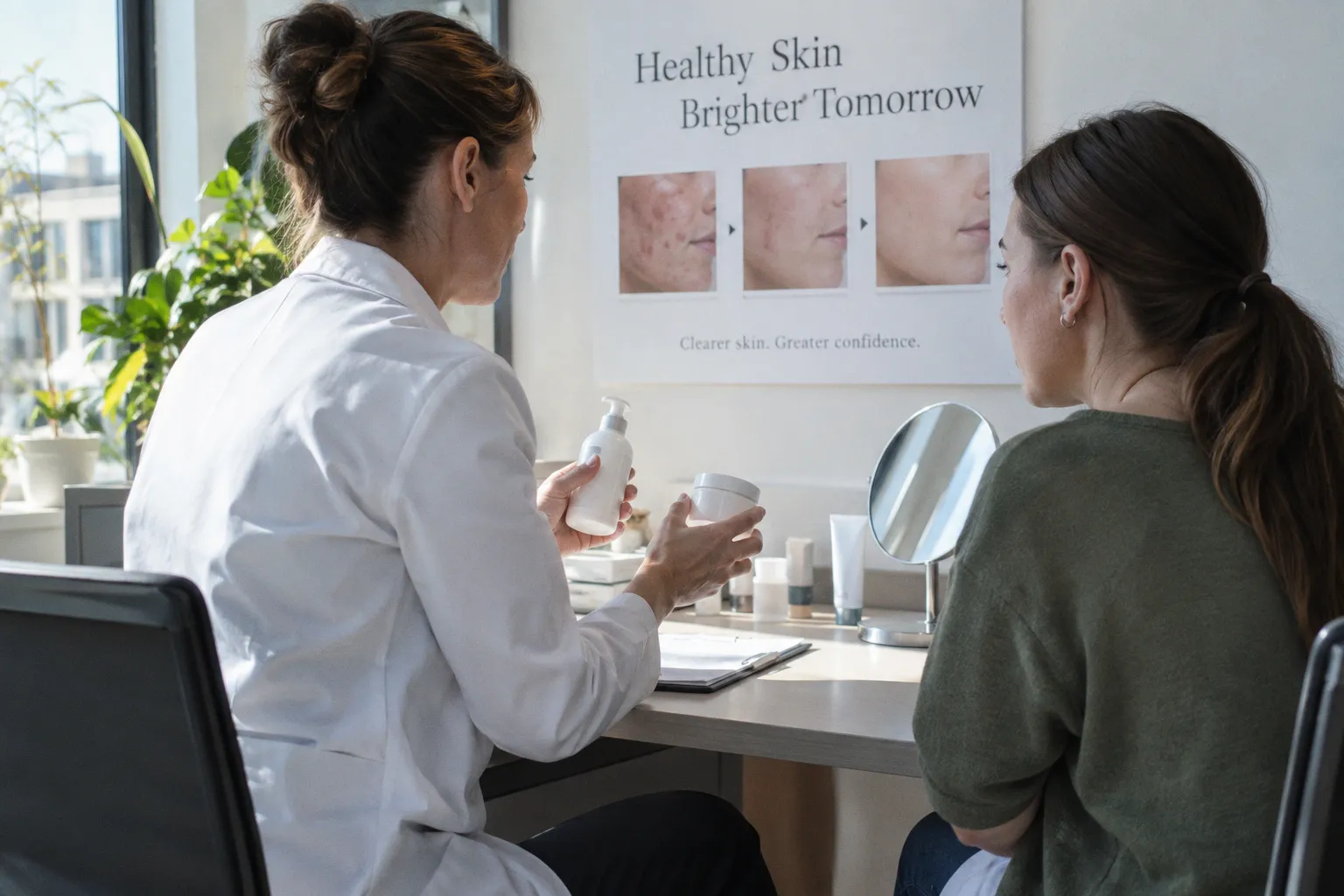
Adjunctive Dermocosmetics Improve Acne Outcomes Over Three Months
Over a three-month period, the combined protocol delivered measurable improvements in sebum regulation, treatment tolerability, and patient satisfaction. For anyone managing prescription retinoids or benzoyl peroxide protocols, this signals a straightforward way to reduce irritation without compromising efficacy.
What the Data Actually Shows
The study design was observational, not a randomized controlled trial. That distinction matters. Observational data captures real-world practice patterns and patient-reported outcomes under conditions less rigid than a laboratory setting — useful for gaustaging adherence, less definitive for isolating variables. What the results confirm is straightforward: a supportive cleanser-moisturizer baseline reduced the common side effects — transepidermal water loss, erythema, desquamation — that often cause patients to abandon prescription regimens prematurely. Sebum output normalized more consistently in the adjunctive group. Patient satisfaction scores tracked upward across the study window.
None of this is mechanistically surprising. A compromised lipid barrier amplifies the irritation profile of topical actives. Restoring that barrier with non-comedogenic emollients and mild surfactants reduces the inflammatory feedback loop at the stratum corneum level. The clinical value here lies in quantifying that benefit across a broader patient population outside controlled trial enrollment criteria.
Practical Implications for Acne Routines
For those on prescription topical therapy, the takeaway is operational: introduce a non-foaming, pH-balanced cleanser and a barrier-repair moisturizer as a fixed adjunct — not as an optional comfort step. The study's three-month timeline aligns with the typical keratinization cycle, suggesting the benefits compound with consistent use rather than delivering acute relief.
Ingredient screening remains critical. Dermocosmetic does not guarantee comedogenicity safety. Look for formulations free of isopropyl myristate, lanolin derivatives, and high-concentration fatty alcohols (cetyl, cetearyl) if acne-prone skin is the concern. Ceramide-dominant or squalane-based moisturizers tend to align with barrier repair without occluding follicular ostia. Surfactant choice in the cleanser matters equally — sodium lauryl sulfate is a barrier disruptor, not a cleanser, at the concentrations relevant here.
What Remains Unconfirmed
The available summary does not specify the exact dermocosmetic products tested, the prescription agents involved, sample size, or demographic breakdown. Without those variables, extrapolation to any single product recommendation is premature. The evidence supports the category of intervention — gentle adjunctive skincare paired with Rx topicals — not a particular brand or formulation. Controlled trials with specific product pairings and longer follow-up would strengthen the clinical case considerably.